The State of RegTech for Financial Compliance in 2026
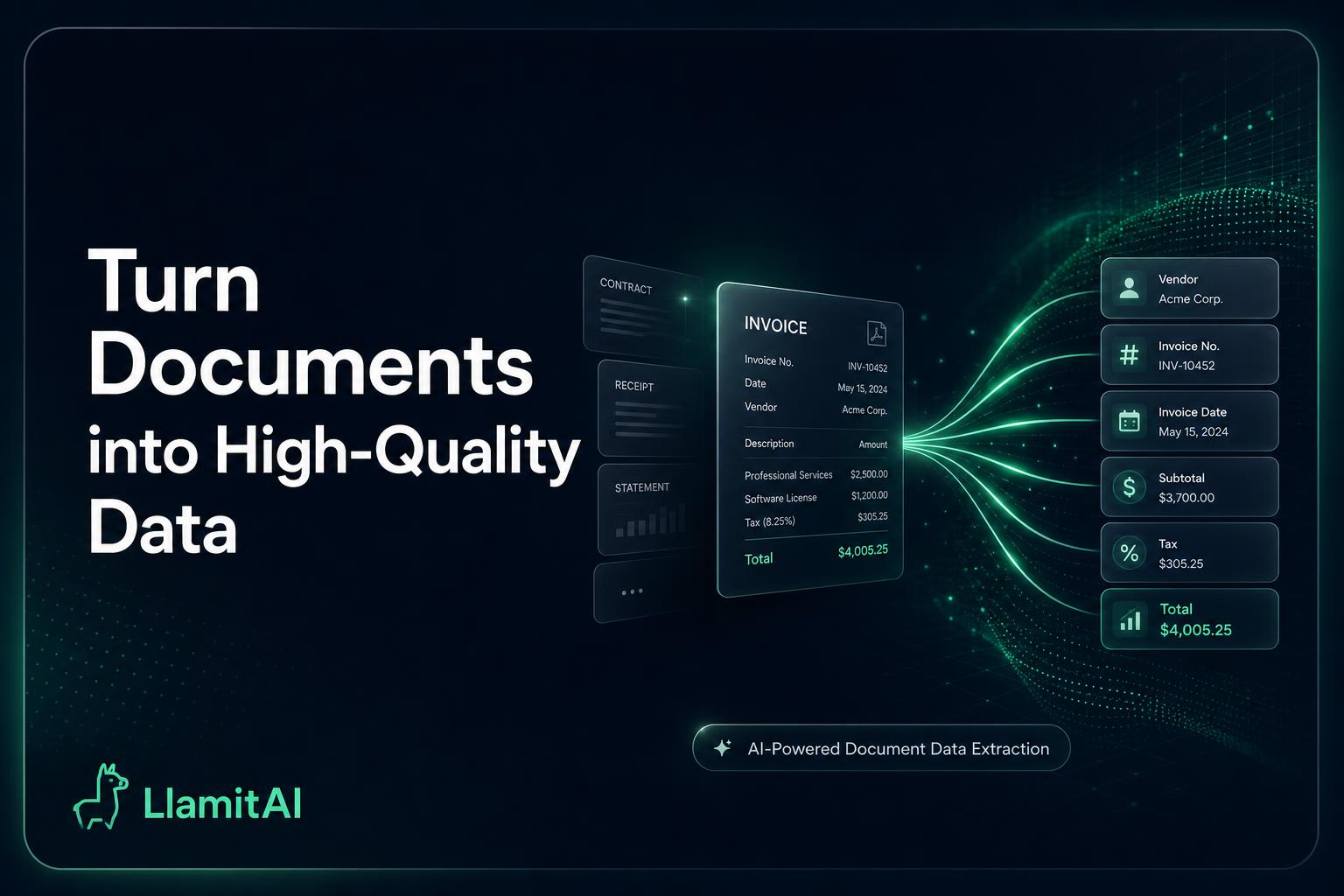
RegTech investment crossed a meaningful threshold in 2025: it's no longer a discretionary line item. Boards now ask explicitly about compliance automation in quarterly reviews. Here's what's working, what's hype, and where to focus your 2026 budget.
Three shifts that defined 2025
First: vision-language models matured. AI now reads scanned PDFs, photos, and forms with accuracy that beats human OCR-plus-rules pipelines on most document types.
Second: regulators got serious about traceability. Audit logs and model versioning are now table stakes — not optional features.
Third: compliance teams started treating themselves as software users. The best RegTech tools in 2026 are designed for daily use by compliance officers, not as IT projects.
Where 2026 spend is concentrating
Document automation across KYC, claims, and regulatory orders is the largest category — the ROI is the easiest to measure and the implementation cycles are shortest.
Real-time transaction monitoring with AI-assisted alert triage is the second growth category, driven by the volume problem in fraud and AML.
Third: model risk management tooling itself. As more AI enters compliance workflows, banks need infrastructure to audit and version those models.
What to evaluate when buying
Prioritize tools with full audit trails by default. Reject anything that asks you to bolt audit on later.
Insist on integration depth — REST API, SFTP, and connectors to your existing core banking and case management systems.
Demand human-in-the-loop design. RegTech that auto-decides anything is a regulatory risk, not an asset.
Check that the vendor publishes their model evaluation methodology and offers version pinning. You need to know which model decided what, and when.
Pitfalls to avoid
Don't buy a tool because the demo is impressive. Run a pilot on your own documents. Document quality in production rarely matches the demo set.
Don't underestimate change management. The technology is the easy part — getting compliance officers and operations teams to trust the system takes intentional design and training.
Frequently asked questions
Is RegTech replacing compliance teams?
No. Successful deployments augment compliance teams, removing rote document work so they can focus on judgement-heavy investigations and policy work. Headcount stays flat or grows; the work changes.
What's the realistic ROI on RegTech in year one?
For document-heavy workflows (KYC, claims, fund freezing), expect 50–80% reduction in processing time and meaningful error reduction within 6 months. Hard-dollar savings are typically 3–10x the annual license cost for mid-size institutions.
How do we start if our compliance stack is still manual?
Pick one high-volume document workflow with a clear pain point and measurable baseline. Run a 90-day pilot. Use what you learn to design the rest of the roadmap. Don't try to automate everything at once.
Keep reading
AI Document Automation for UK Insurance Claims in 2026
Claims operations still run on PDFs, emails, and photos. Here's how AI document automation is closing the gap for UK insurers — without replacing claims handlers.
Automatización Documental para Microcréditos en LATAM (Guía 2026)
Cada expediente de microcrédito mezcla cédula, comprobante de domicilio, boletas y fotos. La IA documental ya redujo 50–70% los tiempos en instituciones LATAM. Te contamos cómo.